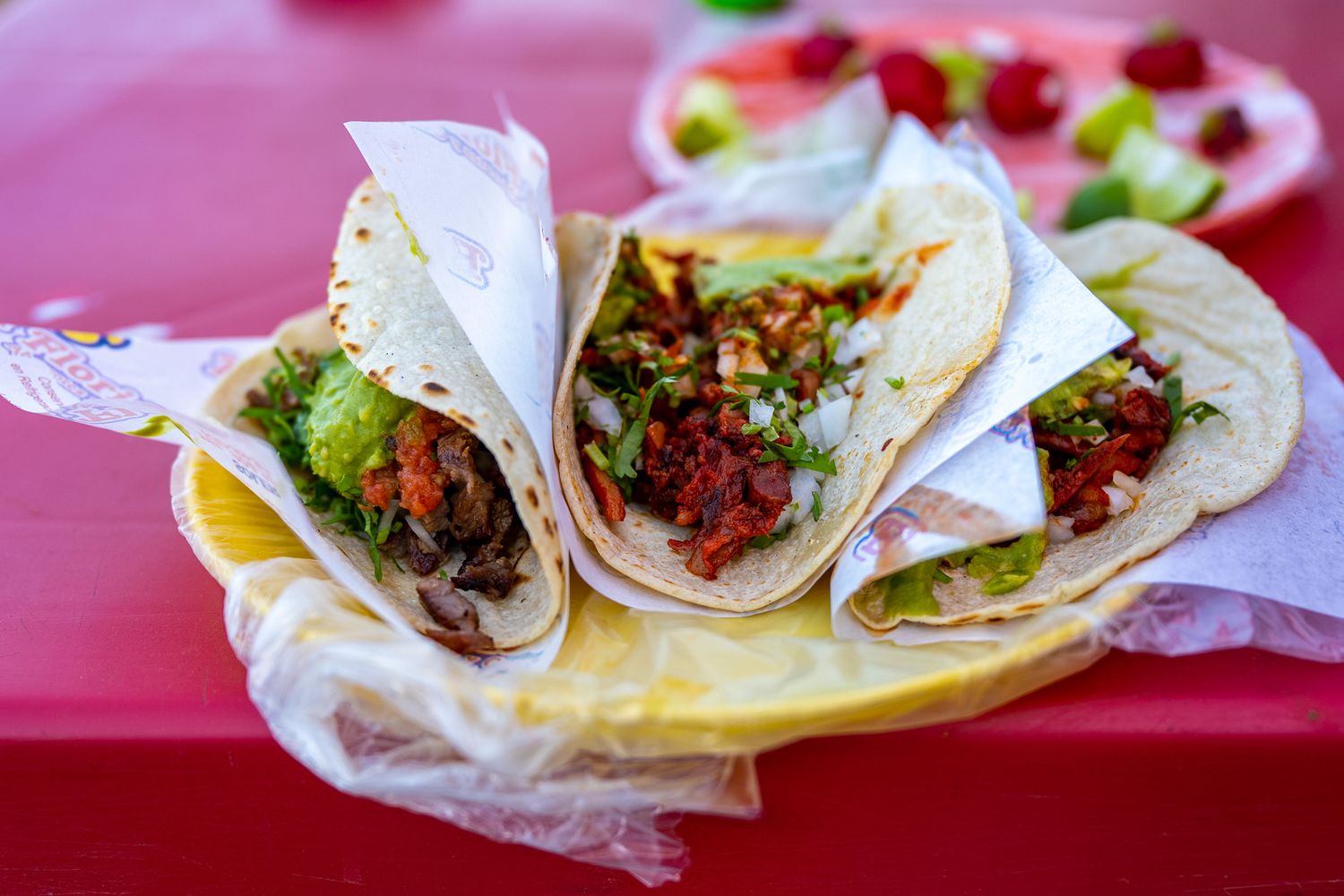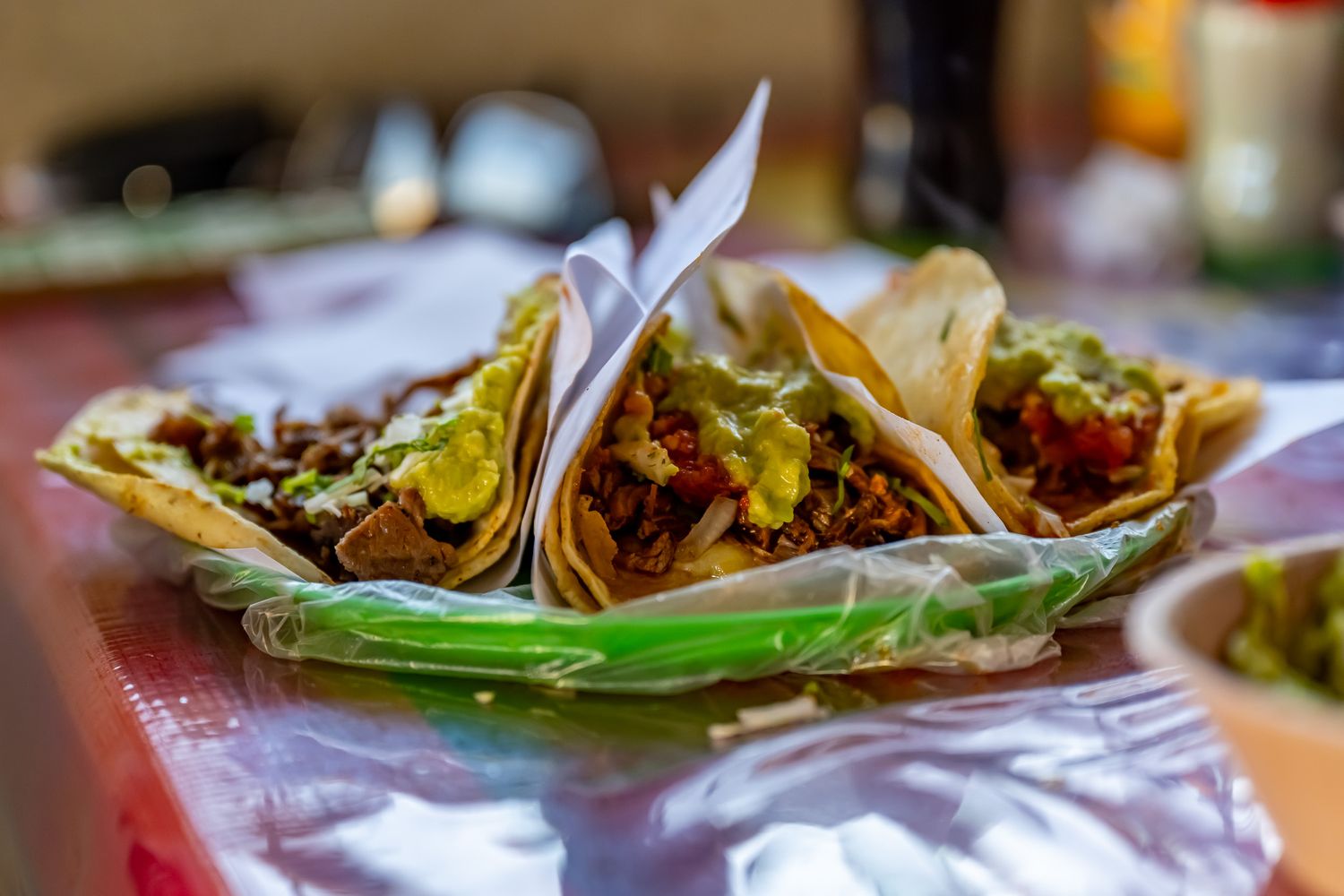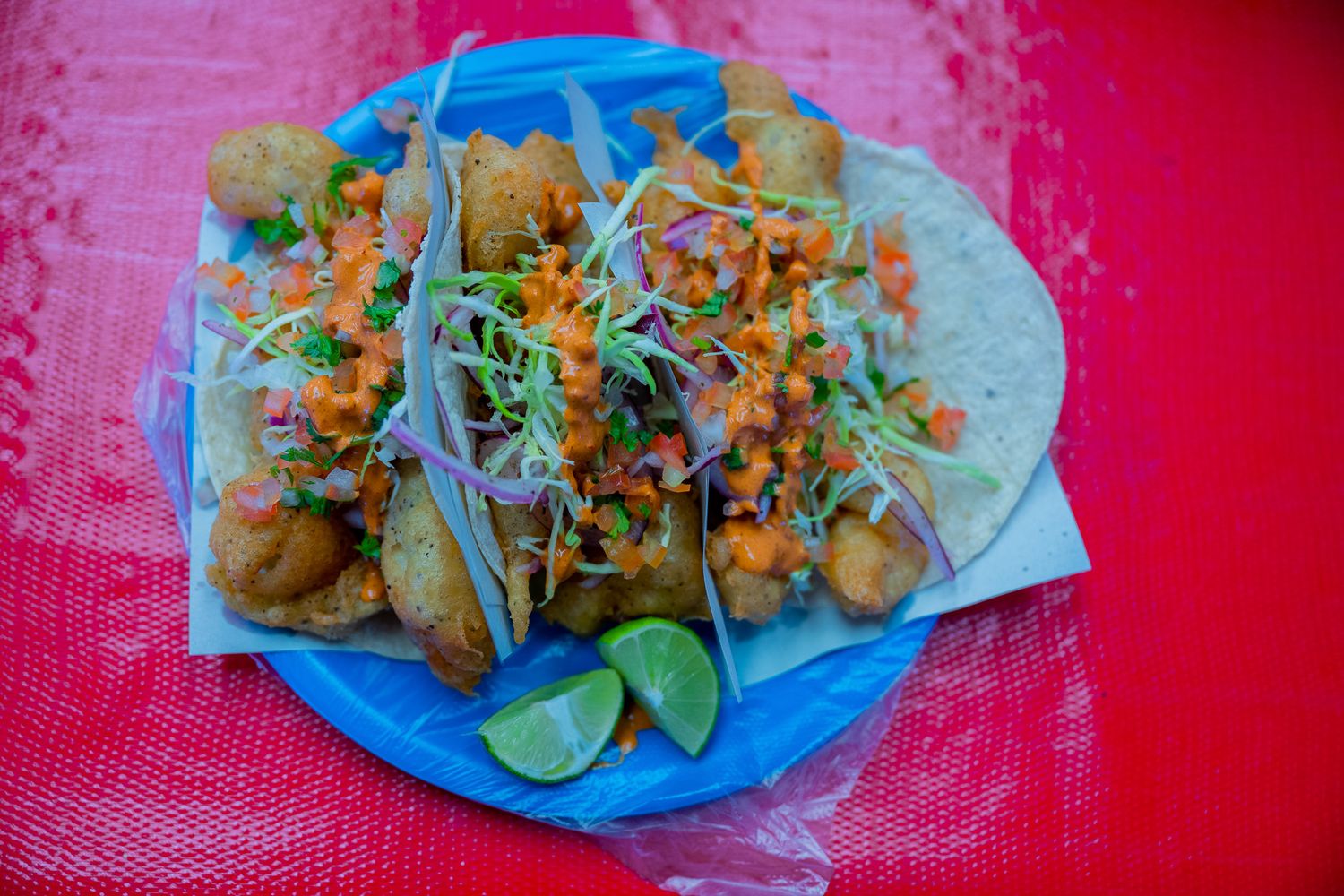
15 minutes down a rutted dirt road, and another 10 down the highway, nestled off dusty, red hued Route 1, where you can buy 13 tacos for a mere $27 lies the small town of Camalu, Baja California. Lined with a vast assortment of storefronts and eateries, including tacos, tortas, birria, and yes, even hotdogs, this food, colloquially coined “street food,” is sumptuous. Bursting with flavor made with a mix of ingredients and spices that are damn near perfect. These tacos are a handheld piece of heaven and wrapped in tortillas as soft as a babies bottom, a far cry from the prepackaged, nonsense tortillas from the grocery store back home.
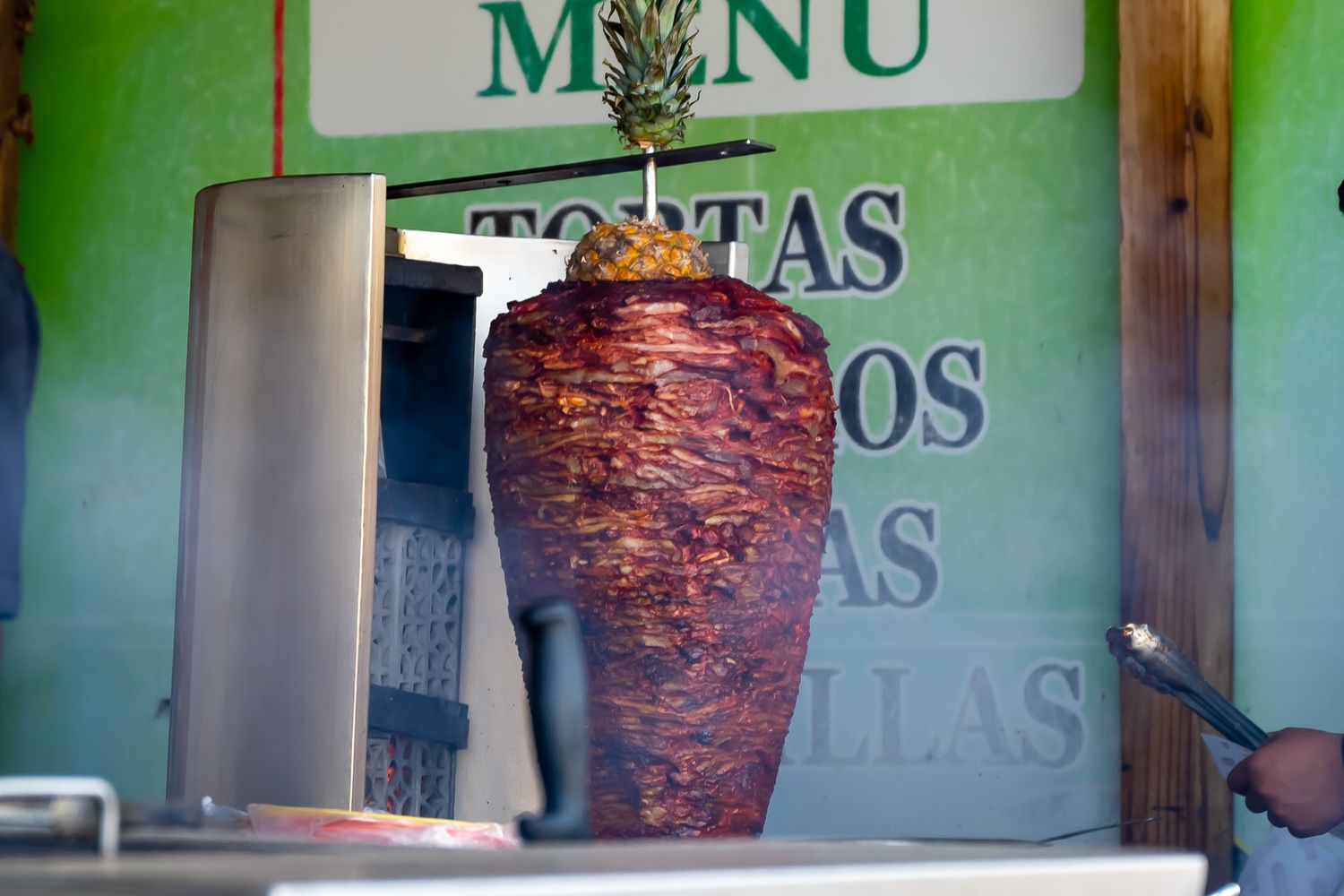
With styles and recipes that likely stretch back centuries, this is food, and these are traditions, passed down and perfected by generations, with savory flavors that leave you wanting for only one thing…more. There is no hiding behind an outrageous price tag, a feeble attempt to make you feel as though you have been the recipient of some culinary perfection, this food is cooked and prepared in the open air and served on the side of a road, the flavors vindicate any negative connotations of the term “street food” or why this food exists. This may be called street food, but it is a tradition and culture…and maybe that is where it was, somewhere between the birria sopa that has been simmering all day, or the al pastor tacos with a meat that has been slow roasted with a mouthwatering blend of spices, imparting subtle flavors prior to being carved off of a spit and being served up with your choice of additions, in my case, onions and cilantro.
Staring me right in the face, in the form of a simple taco, was what I have been missing in U.S. food…culture, tradition, and flavor. This is not the work of a lone chef convinced that he has created something grand with a balance of flavors and textures, served in some bougie overpriced restaurant that’ll be gone in five years, but the work of generations. This is food that has continually evolved, not for the taste of today’s hungry tourist, ready to pay the highest price for bragging rights, but for people to enjoy. By evidence of the smiles at the sight of our enjoyment of it, food may be one of the few things capable of bridging whatever language barriers exist, and that a street-side meal with friends on a dusty road in Mexico, is not just a meal, but a connection to each other, other cultures, and maybe even ourselves. That despite our differences, if we are open enough to anything new, we just might find something worth celebrating and enjoying, something worth smiling and laughing about, something that transcends our differences and can bring us all a little closer, even we don’t speak the same language.